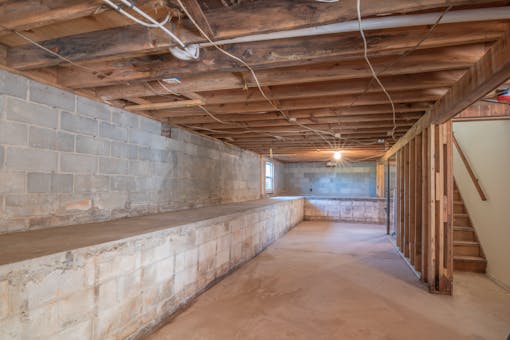
Basement Waterproofing
Interior drainage systems, waterproof membranes, and sealants that address hydrostatic pressure and stop groundwater from entering finished and unfinished basements.
Read about basement waterproofing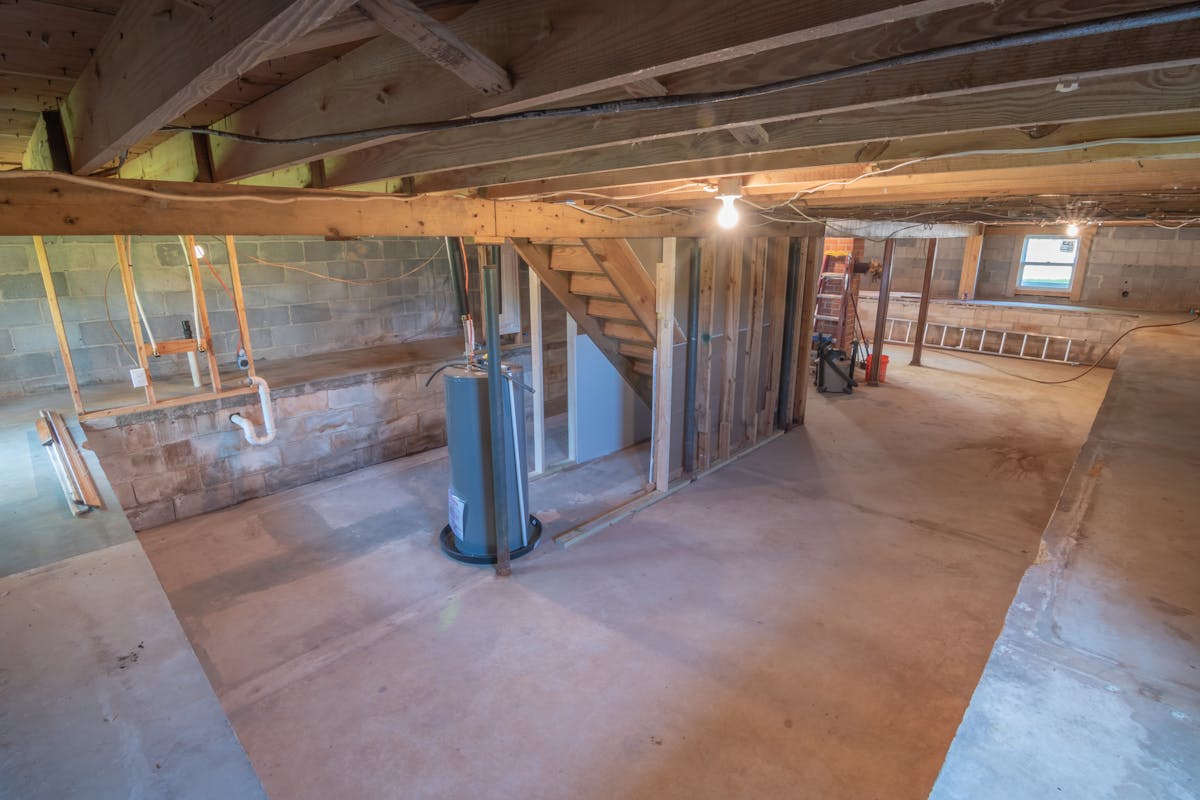
Hoboken sits on a high water table with slow storm drainage. When water gets into your basement, we find the source and fix it permanently — not with a coat of paint or a temporary sealant.
Tell us what you are seeing and we will assess the source. No obligation, no upselling — just a straight answer about what is causing the problem and what it will take to fix it.
Prefer to call? (201) 552-3050 — Mon–Sat, 7am–6pm
Hoboken and the surrounding Hudson County communities sit on low-lying land that was historically marshland along the Hudson River. The water table here is shallow— sometimes only a few feet below grade — and the area's combined sewer system struggles to handle heavy rainfall. When the ground saturates, hydrostatic pressure builds against your foundation walls and floor slab.
Most row homes and brownstones in Hoboken were built with unreinforced concrete block or stone foundations. These materials were never designed to withstand sustained hydrostatic pressure, and they weren't waterproofed to modern standards. As mortar joints deteriorate and concrete develops hairline cracks over decades of freeze-thaw cycles, water finds a path inside.
The problem compounds over time. Once water finds a pathway through your foundation, the mineral deposits it carries widen the crack slightly with each wet season. Efflorescence — the white chalky residue on basement walls — is not cosmetic. It is evidence that water has been moving through your concrete for months or years. By the time you see standing water on the floor, the damage has usually been building for a long time.
For more context on Hudson County flooding patterns, see the NJ DEP Flood Resilience Program.
Every basement leak has a specific cause. We diagnose it first, then recommend the system that addresses that cause — nothing more.
Interior drainage systems, waterproof membranes, and sealants that address hydrostatic pressure and stop groundwater from entering finished and unfinished basements.
Read about basement waterproofing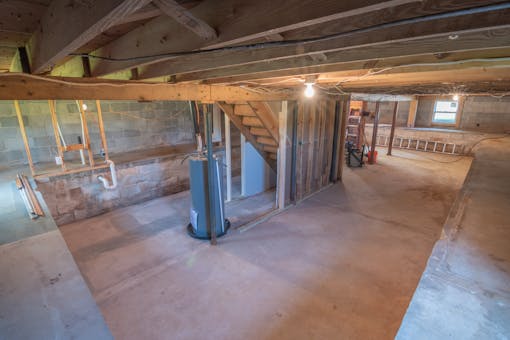
Submersible and pedestal sump pump systems with battery backup that automatically remove collected groundwater before it reaches your floor.
Read about sump pump installation & repair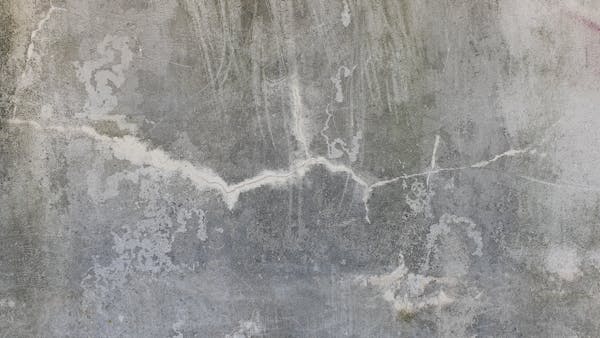
Epoxy and polyurethane injection permanently seals active leaks and structural cracks in poured concrete and concrete block foundations.
Read about foundation crack injection
Whole-basement dehumidifiers remove excess moisture that causes mold growth, wood rot, and poor indoor air quality even when walls appear dry.
Read about basement dehumidificationYou don't need standing water to take action. These early signs mean water is already moving through your foundation:
Waiting typically means a more complicated repair. A crack that could have been sealed with crack injection for a few hundred dollars can widen to the point where interior drainage is the only practical option.
We are not the right call for every wet basement. If your basement takes on water only because your gutters are clogged or your grade slopes toward the house, those are drainage and grading fixes — not waterproofing jobs. A good contractor will tell you that clearly rather than selling you a system you don't need.
If you have condensation on cold water pipes in summer, that is a humidity problem, not a water intrusion problem. A basement dehumidifier resolves it. Some homeowners need both waterproofing and humidity control; many only need one.
If you're not sure which category your problem falls into, call us. We will diagnose it honestly and tell you whether we can help — or whether a simpler fix is all you need.
We serve Hoboken and surrounding Hudson County communities where shallow water tables and older foundation stock make basement water problems especially common. Further west in Essex County, basement waterproofing is available from our team in Bloomfield.
Not sure if you're in our area? Call — we'll tell you in under a minute.
Most interior waterproofing jobs in a typical Hoboken rowhouse take one to two days. Exterior excavation work takes two to four days depending on access. We'll give you a timeline before we start, not after.
Cost depends on the size of the basement, the source of the water, and which system is installed. Crack injection is typically the least expensive option. Interior drainage with a sump pump runs higher. We don't give range estimates over the phone — we inspect first and give you a fixed price in writing.
Exterior waterproofing involves excavating around the foundation and applying a membrane directly to the outer wall. It addresses the source of water entry but is more disruptive and expensive. Interior waterproofing manages water after it enters the wall cavity, directing it to a drain and sump pump before it reaches the floor. Both are permanent solutions — the right one depends on your foundation type and lot access.
Waterproofing stops liquid water intrusion, which is the main cause of mold. However, if your basement also has high relative humidity from condensation on pipes or summer moisture, you may need a dehumidifier alongside waterproofing. We'll tell you which problem you have — and which solution you actually need.
No. Interior drainage work is loud but contained. We use dust barriers and clean up at the end of each day. Most homeowners stay in the house while we work. Exterior excavation can temporarily affect driveway access but typically does not require you to leave.
We inspect the basement, identify the source, and give you a fixed written price. No pressure, no upselling.