Published · Serving Hoboken and Hudson County, NJ
Basement waterproofing in Hoboken, NJ addresses the specific problem of a shallow water table and slow storm drainage throughout Hudson County. The service installs a permanent interior drainage system that collects groundwater before it pools on your floor. It is the right fix for homeowners whose basements take on water during heavy rain or whose walls show chronic moisture — efflorescence, peeling paint, or rust stains along the base.
What Interior Waterproofing Involves
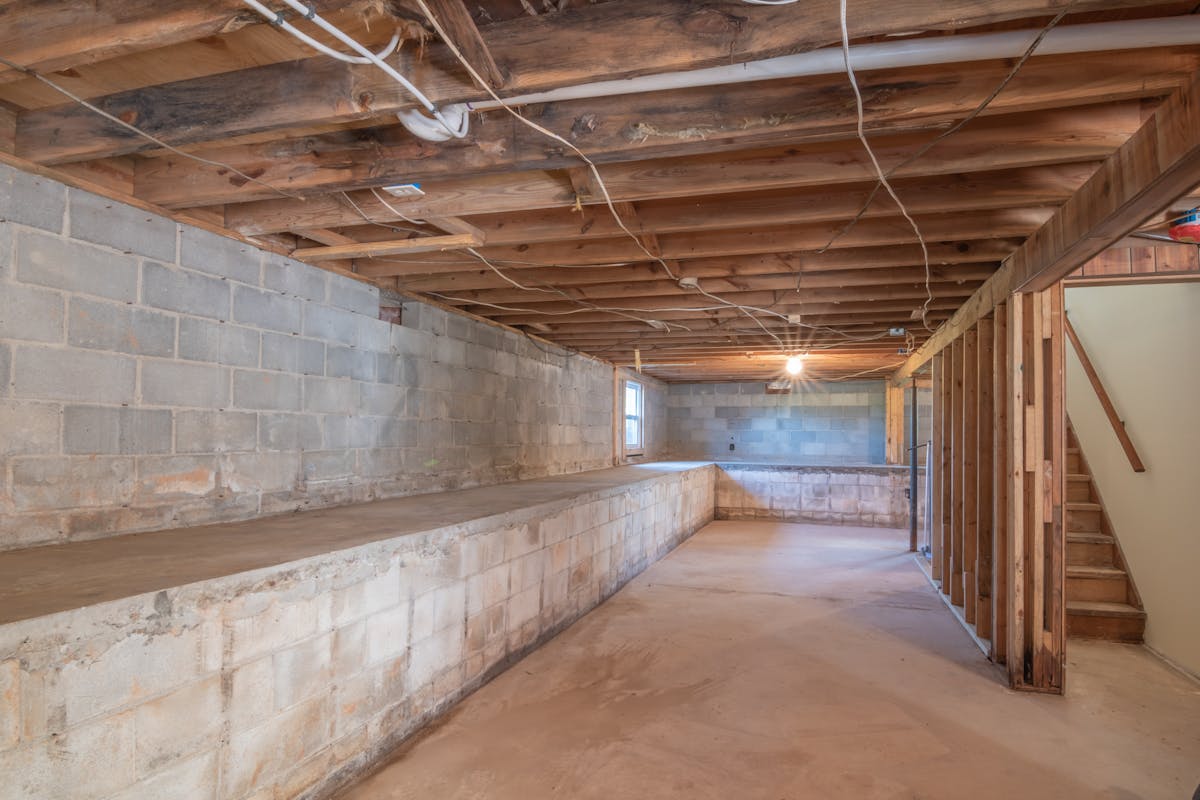
Interior waterproofing removes a narrow strip of the concrete floor along the perimeter of your basement, below the slab. A drainage channel is set into that trench and connected to a sump pit in the lowest corner of the basement. Any groundwater that enters through the walls drains down through the channel and into the pit, where a sump pump discharges it outside the foundation.
The system does not stop water at the exterior wall — it manages water after it enters the wall cavity, before it reaches the floor. For most Hoboken row homes, interior waterproofing is the only practical option because tight urban lots make exterior excavation unfeasible.
When to Call for This Service
Interior waterproofing is the right choice when:
- Water enters along the base of the wall during or after rain
- Multiple wall sections show seepage or staining — not just one isolated crack
- Your current sump pump runs constantly without controlling flooding
- Your basement has flooded more than once despite other repairs
Why Hoboken Basements Leak
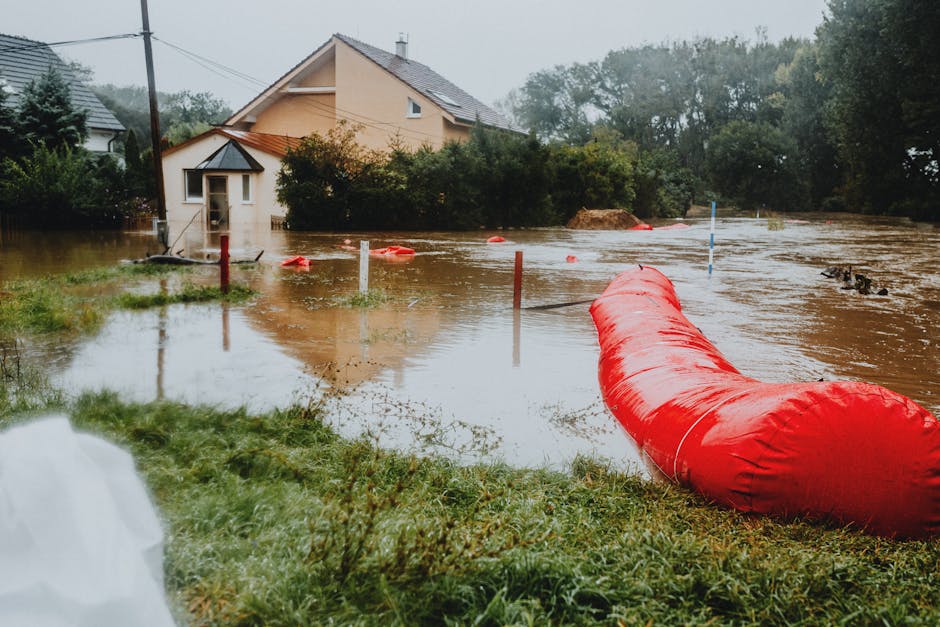
Hoboken sits on reclaimed marshland with a water table that can sit less than four feet below grade in parts of the city. When rain saturates the surrounding soil, hydrostatic pressure builds against the exterior of your foundation. Most row homes and brownstones in the area were built with unreinforced concrete block or stone foundations that were not waterproofed to modern standards. As mortar joints deteriorate and concrete develops hairline cracks over decades, water finds a path inside.
What Affects the Cost
Cost depends on the perimeter length of the basement, whether the floor slab must be saw-cut or jackhammered, access to the work area, and whether the existing sump pit is usable. Finished basements require removing and reinstalling drywall or paneling before and after drainage work, which adds to the total. Jobs that include a new sump pump cost more than drainage installation alone.
Frequently Asked Questions
Does interior waterproofing mean my walls are waterproofed?
No. Interior drainage manages water after it enters the wall cavity, routing it to the sump pit before it reaches your floor. The walls themselves are not sealed. This is different from exterior waterproofing, which applies a membrane directly to the outside of the foundation.
How long does basement waterproofing installation take?
Most interior drainage jobs in a typical Hoboken row home or brownstone basement take one to two days. The concrete needs 24 to 48 hours to cure before the space is fully usable again. We give you a timeline before we start.
What happens if my sump pump fails after the system is installed?
If the pump fails, the drainage channel fills and water eventually overflows onto the floor. That's why battery backup sump pumps are strongly recommended alongside any interior drainage system — especially in Hoboken, where power outages during storms are common.
Is interior waterproofing a permanent solution?
When properly installed and maintained, interior drainage systems last decades. The drainage channel itself requires no maintenance. The sump pump should be inspected annually and replaced every seven to ten years. Many systems installed in the 1990s are still functioning without major issues.